A Fresh Take on Fotona Laser Treatments in Encino, CA
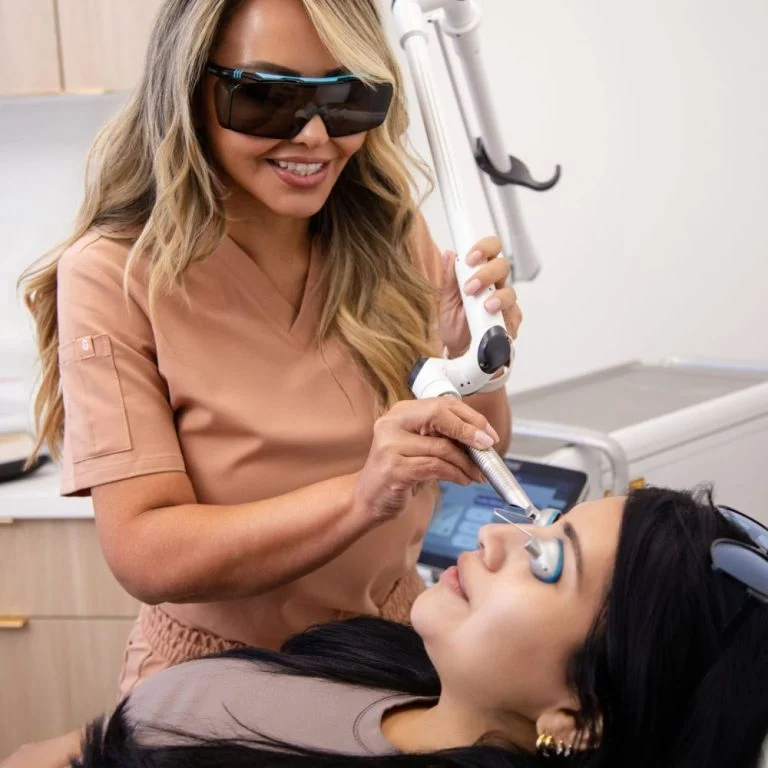

Encino has never been short on aesthetic options. Spend enough time talking with patients in the San Fernando Valley, and a pattern comes up again and again: people want visible improvement, but they do not want to look altered, overfilled, or obviously “done.” They want skin that reflects how energetic they feel. They want function as much as they want polish. That is part of why Fotona laser treatments have earned such steady attention in recent years.
What makes Fotona interesting is not hype. It is versatility. The platform is used across a wide range of concerns, from skin texture and tone to acne scarring, mild laxity, fine lines, vascular issues, and certain gynecologic or oral applications depending on the practice and the practitioner’s training. For facial aesthetics in particular, the appeal often comes down to this: a well-chosen laser protocol can stimulate change from within the skin rather than simply masking the surface.
For anyone researching Fotona Laser Treatments Encino, CA, the real question is not whether the name is popular. The better question is whether the treatment plan matches the skin concern, the patient’s tolerance for downtime, and the skill of the provider holding the handpiece. Those details matter more than the logo on the machine.
Why Fotona has become part of the conversation
Many devices promise collagen stimulation. Few are used with as much procedural flexibility as Fotona. The platform commonly combines different wavelengths and treatment modes, which gives experienced clinicians room to tailor sessions instead of forcing every patient into the same lane.
That flexibility matters because skin concerns rarely show up one at a time. A patient may have mild rosacea on the cheeks, texture around the mouth, sun damage across the forehead, and early laxity at the jawline. A younger patient with post-acne marks may not need the same intensity, sequence, or recovery profile as someone in their late fifties dealing with years of photodamage. A single “one-size-fits-all laser facial” usually misses that complexity.
This is where many first consultations become useful. The best providers do not begin by selling a package. They begin by narrowing the actual problem. Is the chief complaint redness, enlarged pores, crinkling under the eyes, or loose lower face skin? Is the patient bothered by makeup settling into texture, or are they more concerned with a tired appearance on video calls? A Fotona treatment can be adjusted in meaningful ways, but only after the target is clear.
What Fotona laser treatments are actually trying to do
People often hear “laser” and imagine aggressive resurfacing with a week or more of visible recovery. Fotona can be used for resurfacing, but that is only part of the story. Depending on the settings and technique, these treatments may heat deeper tissue to promote collagen remodeling, gently ablate or polish the superficial layer, address pigment irregularities, or support tightening in areas where surgery feels too extreme and topical products are not enough.
One of the most talked-about approaches is the so-called “4D” concept, where different modes are used to treat both inside the mouth and on the outer skin to support tightening, texture refinement, and volume appearance without injectables. When performed well, this approach tends to attract patients who want a fresher look rather than a dramatic change. They may not need surgery, and they may not love the look of filler in certain areas. That middle ground is where Fotona often makes sense.
There is also value in the less glamorous, highly practical side of laser work. Acne scars, textural roughness, uneven tone, and etched lines can be stubborn. Many people spend years cycling through peels, facials, retinoids, and expensive serums with modest returns. A laser treatment that triggers a stronger remodeling response can shift the skin farther than home care alone, provided expectations are realistic.
Encino patients often want subtle, office-friendly results
There is a local lifestyle piece here that should not be overlooked. In Encino and the surrounding neighborhoods, many patients are balancing work, family obligations, fitness routines, and social commitments. They want treatments they can fit into real life. That does not always mean no downtime, but it often means manageable downtime. A provider who understands that context tends to frame options more honestly.
A classic example is the patient who says, “I can do a little redness for a couple of days, but I cannot disappear for ten.” That person may still be an excellent candidate for Fotona, just not for the most aggressive setting the device can deliver. The skill lies in calibrating treatment intensity to the patient’s calendar as well as their skin.
This is also why two people receiving “the same laser” may walk away with very different experiences. One may choose a lighter series with gradual improvement and easier recovery. Another may accept a more intense session for stronger texture change. Neither approach is automatically better. They simply solve different problems.
Where Fotona tends to shine
Fotona is not magic, and it is not the answer to every cosmetic concern. It does, however, perform especially well in situations where collagen remodeling and controlled thermal stimulation can produce visible payoff over time.
Patients with early to moderate signs of facial aging often appreciate the way the skin can look firmer and smoother several weeks after treatment, not just immediately after. Those with acne scarring may notice gradual softening of shallow depressions and more refined texture, especially when sessions are spaced and repeated appropriately. Fine lines around the eyes and mouth can respond well in selected patients, though deeper folds typically require a broader strategy.
Another strong use case is the patient who has “good bones” but tired skin. This is someone whose face still has decent structural support, yet the surface tells a different story. They may have crepey texture, diffuse dullness, and mild loss of snap. In those cases, laser-based rejuvenation can preserve the natural face rather than trying to rebuild it after more significant aging sets in.
That said, there are limits. Significant jowling, heavy neck laxity, or pronounced eyelid hooding usually will not be fully corrected with laser alone. It is far better to hear that upfront than after spending money on a treatment that was never going to deliver a surgical-level result. Honest candidacy discussions save disappointment.
The consultation matters more than the brochure
A surprising number of laser outcomes are determined before the machine is ever turned on. Good consultations go deeper than “What bothers you?” They cover sun exposure habits, previous procedures, history of pigment issues, active acne, cold sore history if the treatment is around the mouth, medication use, and the patient’s tendency to scar or hyperpigment.
Skin tone assessment is especially important. Not every device, setting, or treatment endpoint is appropriate for every complexion. A careful provider knows how to adjust parameters and when to stage treatment more conservatively. This is not a place for guesswork or rushed decision-making.
In practices that do a lot of laser work, the consultation also tends to include practical coaching. Patients are told when to stop irritating skincare, when to avoid tanning, and what kind of post-care will support healing. Those details sound mundane, but they influence both safety and results. In real practice, aftercare compliance can be the difference between smooth recovery and an unnecessary setback.
What a treatment day usually feels like
Experiences vary by protocol, but most Fotona sessions are more tolerable than first-time patients expect. Some describe the sensation as heat with intermittent snapping. Others feel more warmth than sting, especially during non-ablative passes. Numbing may or may not be used depending on the area and intensity.
The room matters more than people think. In a well-run practice, the pacing is calm, the staff explains what is happening in plain language, and eye protection is taken seriously. Patients feel grounded when there is no mystery around the process. Anxiety drops quickly once they realize the sounds, smells, and sensations are normal and temporary.
After treatment, skin may look pink to moderately red, feel warm, and appear a bit swollen depending on depth and aggressiveness. A resurfacing component can add bronzing, dryness, or a sandpapery texture over the following days. Most people can handle this if they know it is part of the normal timeline. They struggle more when nobody prepared them.
Recovery is rarely glamorous, but it should be predictable
The best version of downtime is downtime you understand. Not everyone peels dramatically. Not everyone swells. Some patients look flushed for a day and then simply look better by the end of the week. Others have a more visible healing phase, especially after stronger sessions meant to affect texture and scarring more meaningfully.
A practical way to think about recovery is to divide it into social downtime and skin downtime. Social downtime is how long you feel comfortable being seen. Skin downtime is how long the tissue remains in active recovery. Those timeframes are not always the same. A patient may return to work quickly with tinted sunscreen while the skin continues remodeling beneath the surface for weeks.
Typical post-care advice often includes the following:
- Keep the skin clean, bland, and well moisturized for the first several days.
- Avoid direct sun exposure and use broad-spectrum sunscreen consistently.
- Pause strong actives such as retinoids and exfoliating acids until the provider says to restart.
- Do not pick, scrub, or force peeling skin.
- Report unusual pain, blistering, or prolonged swelling rather than trying to self-treat.
That is not glamorous advice, but it is the advice that protects results.
Results tend to reward patience
One reason some patients undervalue laser treatments is timing. Fillers can look different immediately. Neuromodulators announce themselves within days. Laser-driven collagen remodeling is quieter. It unfolds. Skin may look brighter early on, but the more meaningful improvements in firmness and textural quality often emerge over several weeks and continue evolving after a series.
This delayed payoff can be frustrating for the impatient patient and deeply satisfying for the one who prefers natural progression. Friends may comment that someone looks rested or refreshed without identifying why. For many people, that is the ideal outcome.
The number of sessions needed depends on the concern. Mild rejuvenation may improve with one treatment and maintain with periodic touch-ups. Acne scarring and more entrenched texture usually call for a series. Exact spacing varies, but providers commonly build plans over months rather than days. That long view leads to better decision-making and less over-treatment.
Cost, value, and what patients are really paying for
When people compare prices for Fotona Laser Treatments Encino, CA, they often focus on the session fee alone. That is understandable, but it misses part of the equation. With laser work, value is shaped by diagnosis, protocol design, operator skill, aftercare support, and complication management if something unexpected happens.
A bargain session is expensive if it is poorly indicated. A more expensive treatment can be worth it if the provider correctly identifies that the patient needs lighter settings, combination therapy, or a staged plan instead of one aggressive visit. Experience often shows up not in marketing language, but in restraint.
There is also a practical financial point that seasoned patients understand. Chasing repeated low-yield treatments can cost more over time than choosing a better-matched plan from the start. I have seen patients arrive after months or years of underpowered facials and generic med spa packages, frustrated that they spent plenty without moving the needle. The issue was not that they “needed more.” It was that they needed something more specific.
Fotona versus other options
Patients often ask how Fotona compares with microneedling, fractional resurfacing, radiofrequency, or injectables. The honest answer is that each has a lane. Microneedling can be effective and accessible, particularly for texture and mild scarring, but it does not always generate the same level of tightening or resurfacing power. Injectables restore or relax. They do not replace textural correction. Radiofrequency may help with tightening, but it behaves differently in tissue.
This is where a thoughtful provider earns trust. Instead of insisting one modality does everything, they explain where laser fits into a broader plan. Sometimes Fotona is the centerpiece. Sometimes it is the second step after pigment is controlled, acne is stabilized, or volume loss is addressed in a different way. Good aesthetic medicine is rarely about one hero treatment.
Who should pause before booking
Laser enthusiasm can cloud judgment. A few groups deserve extra caution or a delayed timeline. Anyone with a fresh tan, active skin infection, uncontrolled acne flares, significant irritation from skincare, or recent procedures that compromised the barrier should be assessed carefully before moving ahead. So should patients with a history of pigment problems after inflammation.
It is also worth pausing when expectations drift into fantasy. A laser can improve skin quality, sometimes impressively. Fotona Laser Treatments Encino, CA OMNIA Wellness Center It cannot turn deeply etched folds into smooth skin overnight or recreate the anatomy of a face from twenty years earlier. The happiest patients are usually the ones who want to look better, not different.
A strong provider will sometimes advise against treatment that day. That is not a sales failure. It is clinical judgment. Delaying a session until the skin is ready is often the smarter move.
Questions worth asking in Encino
If you are considering Fotona Laser Treatments Encino, CA, the right questions are simple and specific. Ask who performs the treatment and how often they use this particular platform. Ask what concerns they believe the laser will address, and which concerns it will not. Ask what recovery typically looks like for your skin type and chosen settings. Ask how many sessions they think you will need, and why.
You should also ask what their backup plan is if the first treatment does not produce the expected response. Skilled practices do not promise certainty. They explain how they evaluate progress and adapt. That answer tells you a great deal about whether you are in careful hands.
One detail many patients forget to ask about is maintenance. Skin continues aging. Sun continues to act on it. Even beautiful laser results usually need support, whether that means sunscreen discipline, pigment control, retinoids, occasional maintenance treatments, or all Fotona Laser Treatments Encino, CA of the above. Longevity is not passive.
The best outcomes still depend on everyday habits
No laser can outwork chronic sun exposure, smoking, poor sleep, or a chaotic skincare routine. That is not a moral judgment. It is just how tissue behaves. Patients who protect their investment almost always get more out of it.
A practical maintenance foundation usually includes these habits:
- Daily sunscreen, used generously and reapplied when exposure is significant.
- A gentle cleanser and moisturizer that support barrier recovery instead of stripping the skin.
- A thoughtful active routine, often built around retinoids, antioxidants, or pigment modulators when appropriate.
- Follow-up visits timed to the skin’s actual response, not just a promotional calendar.
- Realistic pacing, because healthy skin remodeling happens over time.
These are not exciting habits, but they are the habits that keep good work looking good.
A more grounded way to think about laser rejuvenation
There is a tendency in aesthetics to frame every device as transformative. That language can be misleading. The most satisfying laser results are often less dramatic than marketing photos suggest and more meaningful in person than those same photos can capture. Skin reflects light better. Makeup sits more smoothly. The face appears less tired. Fine crinkling softens. The person still looks like themselves.
That may sound modest, but it is exactly what many patients want.
Fotona has earned its place because it can be adapted thoughtfully, layered carefully, and used in a way that respects natural anatomy and normal life. In a place like Encino, where people value polish without obvious intervention, that balance matters. A laser treatment should not feel like a leap of faith or a cosmetic stunt. It should feel like a reasoned medical-aesthetic decision based on skin biology, timing, and honest expectations.
For the right patient, under the right hands, that is where Fotona becomes more than a name on a menu. It becomes a useful tool, one that can refresh the skin in a way that feels measured, credible, and genuinely worth considering.
OMNIA Wellness Center
Address: 16430 Ventura Blvd Ste 207, Encino, CA 91436
Phone number: +18183868511
FAQ About Fotona Laser Treatments Encino, CA
What is a Fotona laser good for?
A Fotona Laser system is a versatile, dual-wavelength medical laser used primarily for non-surgical skin tightening, anti-aging rejuvenation, and dermatological treatments.
How much does the Fotona laser cost?
The cost of a Fotona laser depends heavily on whether you are looking to purchase a laser machine for a medical practice or are a patient seeking a laser treatment at a medspa.
Is a Fotona laser worth it?
A Fotona laser treatment is generally worth it if you want non-surgical skin tightening, improved texture, and collagen stimulation with very little downtime.