Fotona 4D Laser Facial (TimeWalker) for Modern Anti-Aging
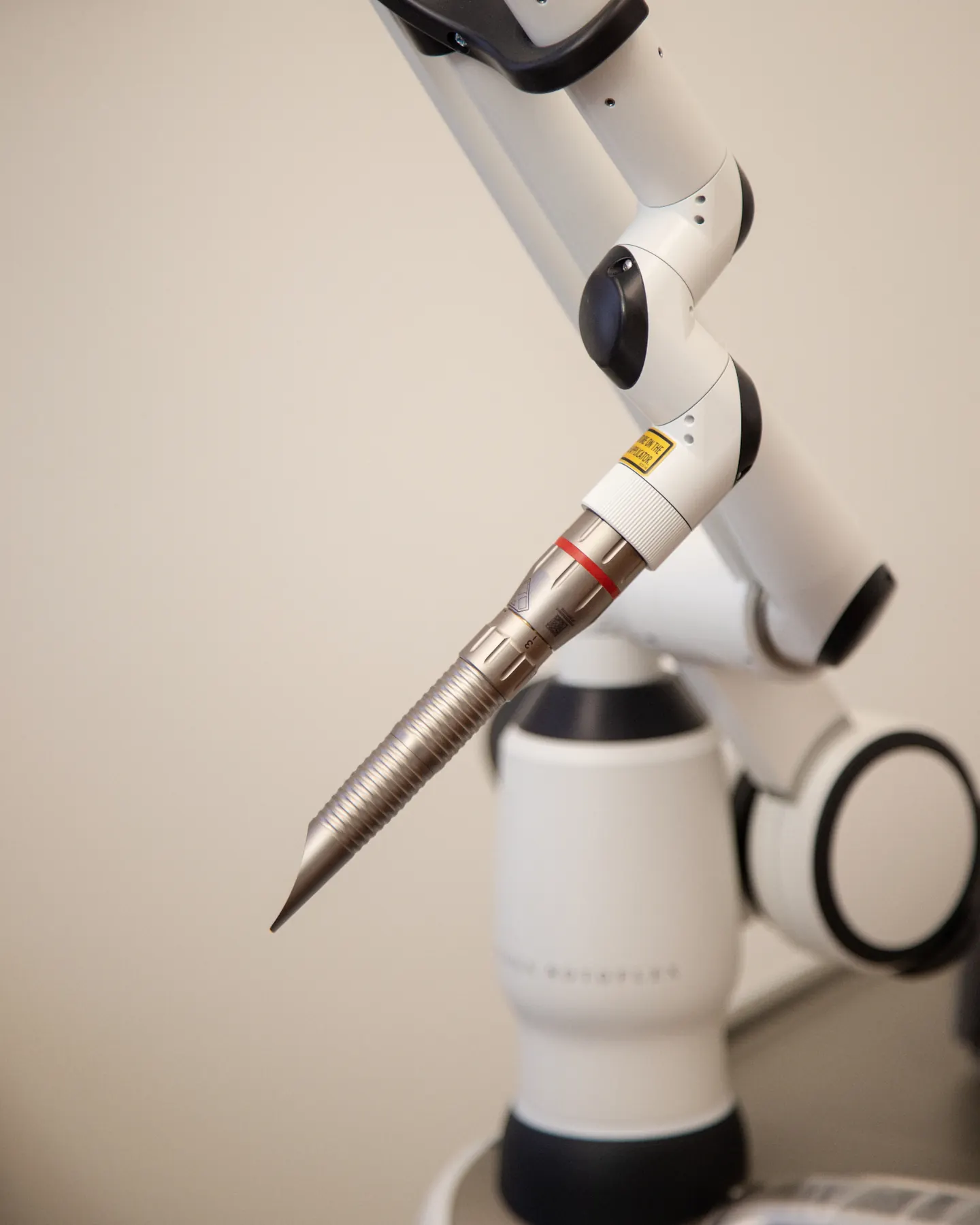
Aesthetic medicine has no shortage of promises, but very few treatments hold attention over time unless they do two things well: improve visible signs of aging and fit into real life. That is the reason the Fotona 4D Laser Facial (TimeWalker) has earned staying power in clinics focused on skin quality rather than quick novelty. It occupies a useful middle ground. It is more sophisticated than a basic “lunchtime facial,” yet far less disruptive than surgery. For the right patient, that balance matters.
The appeal is not just that it is non-surgical. Many non-surgical treatments exist. The stronger argument is that this protocol aims at several layers of aging at once: texture, laxity, tone, lines, and overall skin vitality. Instead of relying on one type of energy or one superficial pass over the skin, it uses a sequence of laser steps designed to work inside the mouth, on the surface of the skin, and in deeper tissue. In practical terms, that means the treatment is built to address both what the mirror shows and some of the structural changes behind it.
When patients ask whether the Fotona 4D Laser Facial (TimeWalker) is “worth it,” my answer always depends on the same three things: their starting point, their tolerance for downtime, and whether they want refinement or dramatic correction. This is not a facelift substitute in the strict sense. It is, however, one of the more thoughtful options for someone whose face looks tired, looser, or rougher than it did a few years ago and who wants visible improvement without stepping into surgical territory.
What the treatment actually is
Despite the word “facial,” this is not a spa treatment. It is a physician-directed or medically supervised laser procedure, usually performed in stages using Fotona’s laser technology. The “4D” label refers to four complementary treatment dimensions or modes, each targeting a different tissue depth or effect. Depending on the clinic and the exact TimeWalker platform configuration, terminology may vary a little, but the concept remains consistent: combine intraoral tightening, fractional stimulation, deep bulk heating, and controlled polishing of the skin surface.
That combination is what makes it different from a single-pass resurfacing laser. One step can target the inner cheek and oral mucosa to support tissue contraction and collagen remodeling from within. Another step may stimulate deeper dermal heating to improve laxity. A further step often addresses texture, pores, or superficial irregularity. The final effect, ideally, is not a frozen or overfilled appearance. It should look like firmer, cleaner, more rested skin.
Patients often come in expecting one dramatic sensation, but the experience is more nuanced. Some passes feel warm and prickly. Some are easier than expected. The intraoral part surprises many people because it treats aging from an angle they had never considered. It also explains why the treatment can help soften the appearance of nasolabial folds and lower-face sagging in selected cases, even without injecting filler.
Why modern anti-aging has shifted toward collagen quality
A decade ago, much of cosmetic treatment planning centered on chasing lines one by one. Fill the fold. Relax the wrinkle. Smooth the forehead. That still has its place, but experienced clinicians now spend far more time thinking about tissue quality. Aging is not just a collection of creases. It is a gradual decline in collagen organization, elastin integrity, hydration, support, and cellular turnover. Skin loses bounce. Pores look larger. The lower face gets heavier. Makeup sits differently.
That shift in thinking is one reason treatments like the Fotona 4D Laser Facial (TimeWalker) are attractive. They are less about masking one feature and more about improving the environment of the skin. Better collagen does not erase every line, but it changes how the face reflects light, how the cheeks sit, and how the skin behaves over time. Those changes can be subtle at first, then increasingly satisfying over several months as remodeling progresses.
This matters especially for patients in their late thirties through sixties who are not trying to look twenty-five again. Most want to look less tired, less crepey, and a little firmer. They still want their face to move. They want people to comment that they look well, not “done.” A treatment that works by stimulating tissue response rather than simply adding volume fits that goal surprisingly well.
The four-dimensional idea, without the marketing gloss
The branded language can make any laser protocol sound more mysterious than it is. Strip that away and the logic becomes clear.
One component is usually an intraoral erbium laser step, often discussed in connection with tightening from inside the mouth. That sounds futuristic, but anatomically it makes sense. The cheeks and perioral region age from both external and internal support loss. Working through the oral mucosa allows collagen stimulation where surface devices cannot easily reach.
Another component typically involves fractional treatment. Fractional laser energy creates controlled micro-injury zones that stimulate repair and collagen renewal while sparing surrounding tissue. This is one reason recovery can be more manageable than with older, fully ablative resurfacing methods.
There is also a deeper heating phase, commonly intended to create bulk thermal effects in the dermis. This can help with laxity and tissue firmness. Patients often describe this portion as a sustained warmth rather than sharp discomfort.
The final stage may act like a light resurfacing or polishing pass. It is not always aggressive, and in many protocols the goal is refinement rather than peeling the face raw. Think of it as giving the skin a more even canvas after deeper remodeling steps have been set in motion.
Taken together, these stages explain why results tend to look multidimensional rather than singular. You are not only softening a wrinkle. You are working on texture, elasticity, tone, and support in one session or treatment series.
What results look like in real life
The phrase “natural-looking results” is used so casually in aesthetics that it has almost lost meaning. In this context, it should mean the following: the skin looks denser, smoother, and a touch tighter, with softening of fine lines and a more rested contour through the midface and lower face. Pores may look less obvious. Makeup tends to sit better. The under-eye and mouth area can look less crinkled if those regions are treated appropriately.
What patients should not expect is the crisp skin removal effect of surgery. A jowl will not vanish because collagen was stimulated. A heavy neck will not become sharply sculpted after one session. Deep static lines may soften, but they do not always disappear. Honest expectations are the difference between satisfaction and disappointment.
In practice, the best responders are often people with early to moderate signs of aging. I have seen especially good satisfaction in patients bothered by dull texture, beginning lower-face laxity, smoker’s lines, mild cheek descent, and that hard-to-define sense that their face has lost freshness. They are often less interested in dramatic before-and-after photos than in being able to say, six weeks later, “I look like myself again.”
Timing matters too. Many people notice an initial brightness or smoothness fairly soon, sometimes within days to a couple of weeks depending on treatment settings. The firmer, more structural changes take longer. Collagen remodeling is not instant. It commonly unfolds over several weeks to a few months. That delayed improvement can be a strength because the change appears gradual and believable.
Who tends to be a good candidate
Suitability depends on skin concerns, medical history, skin type, and comfort with energy-based treatments. A consultation should always come before treatment, particularly because laser settings can and should be adjusted rather than copied from one face to the next.
A good candidate often fits several of these points:
- mild to moderate laxity, textural change, or early volume support loss
- interest in collagen stimulation rather than only wrinkle relaxation or filler
- willingness to accept some redness, sensitivity, or short recovery rather than true zero downtime
- realistic expectations about gradual improvement
- no active infection, uncontrolled inflammatory skin disease, or contraindication identified by the treating clinician
Skin tone deserves special mention. Laser treatments can be safe across a range of skin types in experienced hands, but parameters matter. The risk profile shifts depending on wavelength, fluence, skin history, melasma tendency, recent tanning, and how aggressively resurfacing is performed. Patients with darker skin tones absolutely should not be dismissed, but they do need careful assessment and a provider comfortable treating their skin safely. Post-inflammatory hyperpigmentation is not theoretical. It is a real consideration when lasers are chosen carelessly.
What the appointment feels like
The treatment day is usually more straightforward than people fear. A numbing cream may be applied, depending on the protocol and sensitivity of the patient. Protective eyewear is used. The skin is cleansed thoroughly. If the intraoral component is included, the clinician works methodically along the inside of the cheeks and perioral tissue. Patients are often surprised by how tolerable this part is once they settle into it.
The external passes vary in sensation. Deep heating can feel intensely warm but usually brief and manageable. Fractional passes may produce a prickling or snapping sensation. Most patients describe the overall procedure as tolerable rather than pleasant, which is often true of meaningful laser work. Discomfort is very technique-dependent. A rushed operator can turn an otherwise acceptable treatment into an unpleasant one.
Immediately afterward, skin may look flushed, puffy, or sun-kissed. Some patients have a gritty texture for a few days if fractional treatment was more noticeable. Others leave looking pink and slightly tight, enough to take it easy socially for a day or two but not enough to disappear for two weeks. That range is important. “No downtime” is a phrase I rarely trust in laser medicine. “Low to moderate downtime depending on settings” is usually more honest.
Where this treatment fits among other anti-aging options
Comparisons matter because most patients are not deciding in a vacuum. They are choosing between devices, injectables, peels, radiofrequency procedures, microneedling, and sometimes surgery.
Fotona 4D Laser Facial (TimeWalker) tends to appeal to patients who want broader skin renewal than neurotoxin can provide, but who do not necessarily want volume added with filler. It can also be appealing for people who are filler-fatigued, meaning they have had enough volumization and would rather improve skin support and surface quality than keep layering product.
Compared with basic microneedling, the treatment is usually more technologically complex and often more capable of addressing multiple tissue depths in a single plan. Compared with deeper ablative resurfacing, it may offer a gentler recovery but also a gentler endpoint. Compared with radiofrequency Fotona 4D Laser Facial (TimeWalker) tightening, it offers a different mechanism and may bring more visible textural refinement because of the laser component.
Surgery still occupies its own category. If someone has substantial jowling, marked neck laxity, or advanced tissue descent, laser treatment can improve the canvas but not reposition tissue the way a facelift can. Some of the happiest laser patients are those who understand this clearly. They are not trying to solve a surgical problem with a non-surgical tool.
The role of treatment series and maintenance
One session can certainly produce improvement, but many clinics recommend a series, often around three sessions spaced weeks apart, depending on the protocol, skin condition, and patient goals. This is not a sales tactic by default. Collagen-focused treatments often build results cumulatively. The first session wakes up the process. Follow-up treatments reinforce it.
Maintenance also matters because aging does not pause after a laser series. Sun exposure, sleep, stress, hormones, and smoking all show up in the skin eventually. A patient who does a series and then ignores sunscreen is not giving the treatment a fair chance. A patient who pairs laser work with thoughtful skincare usually gets more out of the investment.
This is where some clinics overpromise. They package maintenance as if one device can permanently preserve youth. It cannot. Skin responds well to stimulation, but biology keeps moving. I prefer to frame maintenance as support rather than rescue. If you maintain collagen quality steadily, you often need less dramatic correction later.
Risks, trade-offs, and the part people gloss over
Every legitimate laser treatment involves trade-offs. The very mechanism that stimulates improvement is controlled injury and thermal effect. That does not mean it is unsafe. It means the treatment should be respected.
Temporary redness, swelling, dryness, and sensitivity are common. Some patients peel lightly. Acne flares can happen in acne-prone individuals. Herpes simplex reactivation is a concern around the mouth in susceptible patients, which is why some clinicians prescribe antiviral prophylaxis when appropriate. Hyperpigmentation or prolonged erythema can occur, particularly if aftercare is poor or settings were too aggressive for the patient’s skin.
Results can also be uneven if treatment planning is weak. A common mistake is assuming every aging face primarily needs tightening. Some faces are volume-deflated more than they are lax. In those patients, tightening alone may not deliver the result they imagined. Another issue is overestimating what one session can do for etched lines around the mouth or under the eyes. Those areas are delicate, and meaningful improvement may require combination planning or repeated sessions.
Cost is another real-world factor. Laser anti-aging treatments are rarely inexpensive, and because results are often best in a series, patients should think in terms of total treatment plan cost, not just single-session price. A cheaper session performed by an inexperienced operator can be costly in the worst possible way.
What good aftercare looks like
The skin needs calm, consistency, and protection after treatment. The days right after a laser session are not the time for experimentation or aggressive active ingredients.
The simplest aftercare principles are these:
- keep the skin clean, moisturized, and protected from sun exposure
- pause retinoids, exfoliating acids, and harsh scrubs until the clinician says to restart
- avoid heat-heavy activities such as saunas, hot yoga, and very intense exercise for the recommended period
- do not pick, rub, or force off any rough or flaking skin
- use the clinic’s post-procedure plan, especially if pigment risk or herpes history is relevant
Patients who do well after laser treatment tend to be the ones who take aftercare seriously without overdoing it. They do not panic over a few days of redness, and they do not slather on ten trendy serums because they want to “speed healing.” A bland moisturizer, diligent sun avoidance, and patience are usually far more effective.
Why provider skill matters more than device branding
A high-quality device in poor hands is still poor treatment. That may be the single most important point in this discussion. Branded names draw attention, but outcomes are determined by assessment, parameter selection, treatment sequencing, and restraint.
A good provider does not simply ask what treatment the patient wants. They examine texture, movement, skin thickness, laxity pattern, pigmentation history, and healing behavior. They ask whether the patient has melasma, cold sores, recent isotretinoin history, autoimmune conditions, or a tendency toward post-inflammatory pigmentation. They explain not just the upside but the reasonable limits.
Technique matters during the session too. Pass count, overlap, energy settings, and endpoint recognition are not trivial details. Overlap too much, and recovery may become harsher than intended. Treat too timidly, and the patient pays for a premium procedure with barely perceptible change. Judgment is what turns a protocol into a result.
A practical way to decide if it is right for you
The most useful question is not “Is this the best anti-aging treatment?” There is no single best treatment. The better question is, “Is this the best fit for my face, my goals, and my tolerance for downtime?”
If your main concern is dynamic forehead lines, neurotoxin may give you more obvious value. If your issue is severe laxity, surgical consultation may be more honest. If your skin looks tired, rough, mildly loose, and increasingly less resilient, the Fotona 4D Laser Facial (TimeWalker) is one of the more intelligent options to consider because it addresses the quality of aging skin rather than only one symptom.
That broad, layered approach is exactly why it continues to attract attention. Modern anti-aging is less about chasing youth in a theatrical way and more about preserving structure, function, and believable freshness. When used thoughtfully, this treatment fits that philosophy well. It does not need hype to be appealing. It just needs accurate expectations, good hands, and a patient who understands that the best aesthetic work often looks like nothing obvious happened, except that the face somehow looks stronger, smoother, and more alive.
OMNIA Wellness Center
Address: 16430 Ventura Blvd Ste 207, Encino, CA 91436
Phone: (818) 386-8511
FAQ About Fotona 4D Laser Facial (TimeWalker)
What are the benefits of Fotona laser treatment?
OMNIA offers this treatment for concerns such as uneven texture, dull tone, and fine lines. Results and the number of sessions vary, so discuss your goals with a provider.
Is Fotona laser safe?
A qualified provider should review your skin, medical history, medications, and recent sun exposure to determine whether the treatment is appropriate. Ask about possible irritation, pigment changes, and aftercare before booking.
How much does a Fotona 4D facelift cost?
Price depends on the treatment plan and number of visits. Ask OMNIA for an itemized estimate during your consultation.