Your Guide to Fotona 4D Laser Facial (TimeWalker) Treatments in Encino, CA
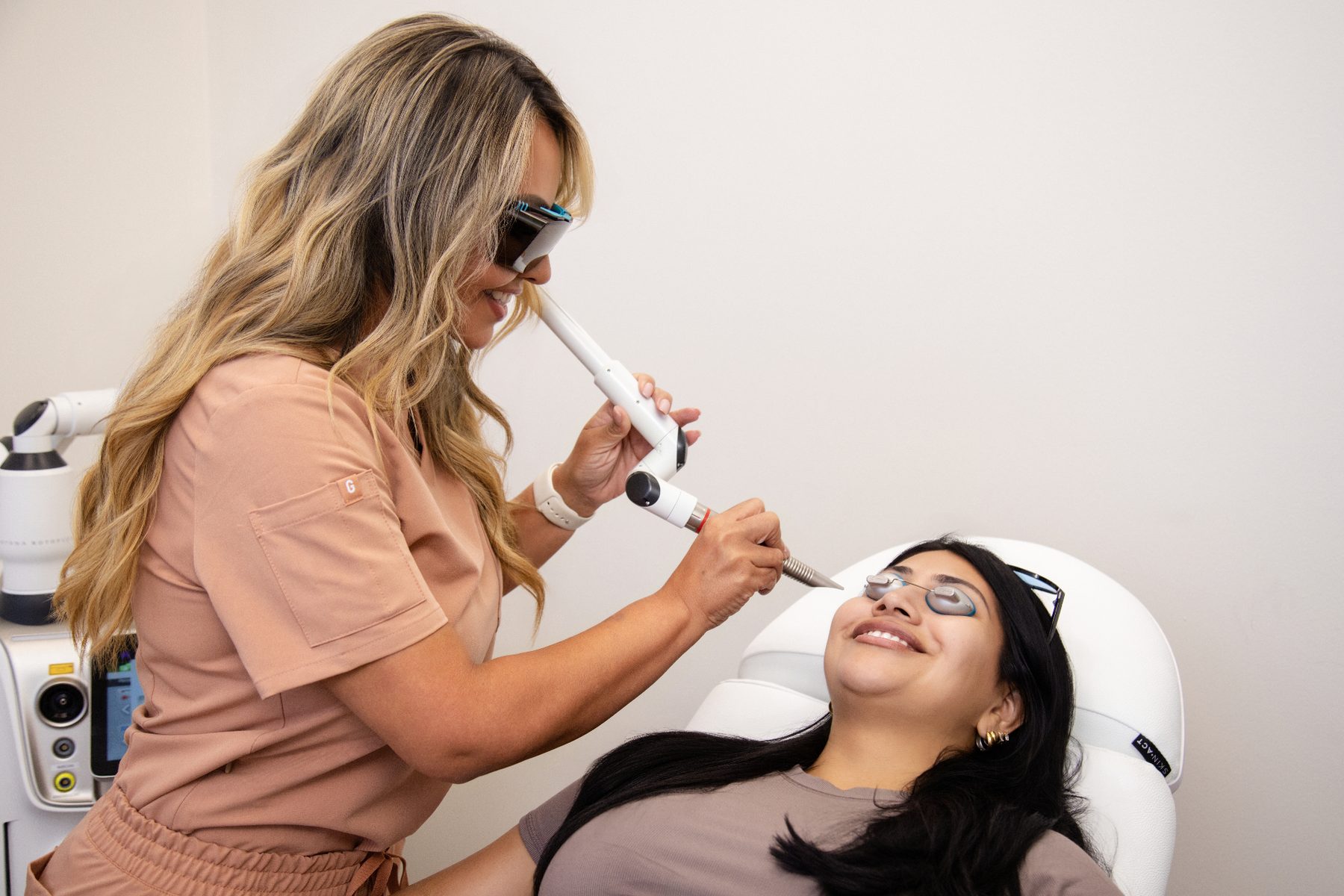
If you have been looking into non-surgical skin rejuvenation in the San Fernando Valley, you have probably come across the Fotona 4D Laser Facial, now often associated with the TimeWalker platform. It gets attention for a simple reason: it treats skin from more than one angle, and it does so without asking most patients to put their lives on hold for a week. That matters in Encino, where people often want visible improvement but do not want treatment to interrupt work, social plans, school pickup, or a weekend outdoors.
The name can sound a little technical at first. Once you understand what the treatment is actually doing, Fotona 4D Laser Facial (TimeWalker) Encino, CA it becomes much easier to see why it appeals to patients who want firmer skin, smoother texture, and a fresher look without surgery. The appeal is not hype. It is the combination of depth, precision, and versatility. A good provider can use the treatment to address laxity, fine lines, rough texture, enlarged pores, and some tone irregularity in a way that feels tailored rather than one-size-fits-all.
For anyone considering a Fotona 4D Laser Facial (TimeWalker) in Encino, CA, the key is to understand both the promise and the limits. This is not a miracle wand, and it is not the right fit for every skin concern. It is, however, one of the more interesting options for patients who want meaningful improvement with less downtime than an aggressive ablative resurfacing treatment.
What the Fotona 4D approach actually means
The “4D” in Fotona 4D refers to four treatment modes or dimensions that can be combined to work on different layers of tissue. Instead of focusing only on the skin surface, the treatment can stimulate collagen remodeling deeper in the tissue, tighten from inside the mouth area, and then refine the skin externally. That layered approach is what makes it different from a basic laser facial.
In practice, many providers describe the treatment as addressing the skin from the inside out. One portion may target the inside of the cheeks and mouth area to create gentle tightening and support around the nasolabial folds and lower face. Another may deliver deeper heating to encourage collagen contraction. A lighter resurfacing step can then improve texture and brightness near the surface.
That combination is especially useful for patients who do not have a single isolated issue. Most people walking into an aesthetic practice in Encino are not saying, “Please fix exactly one pore.” They usually have a mix of concerns. They may notice mild sagging near the jawline, creasing around the mouth, dullness, sun damage, and makeup settling into rough texture. Multi-step laser treatments make sense in those cases because aging rarely shows up in just one layer.
TimeWalker is the newer branding many people now see attached to Fotona systems. Depending on the office and the device configuration, the treatment may be described as a Fotona 4D facial, a TimeWalker facial, or a customized Fotona rejuvenation session. The exact settings and handpieces can vary. That is one reason consultations matter. Two clinics may use the same brand name, but the actual treatment intensity and goals can be quite different.
Why it has become popular in Encino
Encino patients tend to be well informed, and they usually have options. They know the difference between a relaxing facial and a device-based treatment with real tissue effects. Treatments catch on locally when they strike a balance between visible results and practical recovery. Fotona 4D fits that profile.
The Encino climate and lifestyle also shape demand. Daily sun exposure, heat, driving, outdoor exercise, and years of incidental UV damage can leave skin textured and uneven even when someone takes decent care of it. Many people in the area want brighter, tighter skin but are not ready for surgery and do not want the recovery that comes with deeper resurfacing. They often ask for something stronger than a basic peel but less disruptive than a fully ablative laser.
That is where the treatment often lands. It can be an attractive middle ground for the patient who wants a real reset but still needs to be on camera, back in the office, or at dinner by the weekend.
The concerns it can help address
A well-planned Fotona 4D Laser Facial (TimeWalker) in Encino, CA is usually considered for early to moderate signs of aging and skin quality concerns. It is often chosen by patients in their thirties through sixties, though age alone does not determine candidacy. What matters more is skin condition, degree of laxity, pigment pattern, healing history, and expectations.
This treatment may help with fine lines around the mouth and eyes, early jowling, crepey texture, enlarged pores, mild acne scarring, and a generally tired or dull appearance. Patients who feel that their face looks “less crisp” than it did a few years ago often understand the benefit quickly once they learn the treatment is designed to tighten as well as resurface.
That said, judgment matters. If someone has significant loose skin under the jaw or a heavy neck, a laser facial is not going to deliver the kind of lift a lower facelift can provide. If pigment is the primary concern, especially in deeper skin tones or in people prone to post-inflammatory hyperpigmentation, the provider may need to modify the plan or recommend a different technology first. Good consultations are often less about selling the treatment and more about defining the real target.
What a session feels like
Patients often want to know whether this is painful. The honest answer is that comfort varies by the step being performed and by the patient’s sensitivity. Most people tolerate the treatment well, especially when a provider uses proper settings and preparation. It generally feels warm, prickly, and occasionally zippy, rather than sharply painful from start to finish.
The intraoral step, which treats from inside the mouth, is unusual if you have never had it done before. It is not glamorous, but it is usually manageable. Patients often describe it as a warm pressure sensation on the inside of the cheeks. The deeper heating phases can feel intense in certain areas, especially over the cheekbones and around the jawline, but the discomfort is brief and purposeful. The resurfacing component tends to feel more familiar to anyone who has had a light laser treatment before.
A full appointment can take roughly 45 minutes to 90 minutes depending on the scope of treatment, whether numbing is used, and whether the face alone or the neck is included. Some providers pair it with add-ons or a more extensive skin protocol, while others keep it focused and efficient.
Recovery, redness, and what to expect the first week
One reason this treatment is often described as “lunchtime-friendly” is that it usually does not create the same level of downtime as an aggressive ablative laser. That phrase can be a little too optimistic, though. Most patients are not incapacitated, but many do look flushed for a day or two, and some experience dryness, mild swelling, or a sandpapery texture for several days.
The first 24 hours are often the warmest and pinkest. Skin may feel tight, almost like a mild sun exposure. By day two or three, the visible redness usually starts settling, and patients often notice that makeup goes on differently because the skin is a bit dry or textured. Around day four to seven, many people start seeing the first payoff. The skin looks smoother, fresher, and a little more refined. Collagen-related improvements continue over the following weeks.
One of the most useful pieces of practical advice is not to schedule this for the first time right before a wedding, gala, major photo shoot, or a family event where you expect to be heavily photographed in bright daylight. Even low-downtime procedures can be unpredictable from person to person. If an event matters, give yourself at least a couple of weeks of cushion.
Results tend to build, not appear overnight
The immediate post-treatment glow is real, but the tightening and structural changes take longer. Heat-based collagen stimulation is a process, not a switch. Most patients begin noticing incremental improvement over the first month, with continued changes often becoming more apparent after a series.
That point is worth emphasizing because expectations can drift. Someone may leave their appointment looking a little pink, then wake up the next morning wondering why they do not look ten years younger. The better way to think about Fotona 4D is as a progressive skin remodeling treatment. It can produce a fresher, tighter, better-rested version of your face. It is less about drastic transformation and more about cumulative refinement.
Providers commonly recommend a series, often spaced several weeks apart, especially when the goals include both tightening and texture correction. Maintenance sessions may then help preserve the results. The exact number depends on age, baseline skin quality, sun damage, and how aggressively the skin can be treated.
Who usually makes a good candidate
The best candidates are often people who want noticeable improvement but are not interested in surgery, or who are simply not ready for it yet. They usually have mild to moderate skin laxity, fine lines, texture concerns, or facial creasing that responds well to collagen stimulation and light resurfacing.
Here are a few signs that someone may be a strong candidate:
- Mild to moderate early aging changes rather than severe sagging
- Interest in low to moderate downtime instead of a long recovery
- Realistic expectations about improvement versus dramatic lifting
- Commitment to sun protection and a sensible skincare routine
- No active infection, open wounds, or untreated skin irritation at the time of treatment
Patients with recent tanning, certain pigment conditions, active cold sores, or a history of problematic scarring need closer evaluation. Deeper skin tones can absolutely be treated in many cases, but the provider must know how to select settings carefully and how to reduce the risk of post-treatment discoloration. That is not the place for guesswork.
Why provider skill matters more than the brand name
People often shop by machine name, and it makes sense to a point. Technology matters. Still, outcomes usually depend more on the hands using the device than on the label on the platform. An experienced provider knows how to read skin thickness, laxity pattern, sensitivity, and healing behavior. They also know when not to push.
That judgment becomes even more important in a place like Encino, where patients often arrive having already done injectables, microneedling, peels, or prior laser work. Layering treatments requires timing and restraint. If a patient had filler in the midface recently, has rosacea flares, or is recovering from a strong retinoid reaction, the treatment plan may need adjustment. Skilled providers do not force the protocol just because it is on the menu.
A strong consultation should include discussion of your goals, skin history, sun exposure, pigment tendency, medications, prior procedures, and upcoming events. It should also include a plainspoken conversation about what this treatment is likely to improve, what it may not fully fix, and whether another device or combination plan would serve you better.
How it compares with other popular rejuvenation options
Patients in Encino usually compare the Fotona 4D Laser Facial to microneedling, radiofrequency microneedling, IPL, Fraxel-type treatments, and injectables. Those comparisons are reasonable, but they are not perfect apples-to-apples.
Microneedling can improve texture and mild scarring, but it does not create the same intraoral tightening effect. Radiofrequency microneedling can be excellent for laxity and acne scars, though it comes with its own trade-offs and may be better for Fotona 4D Laser Facial (TimeWalker) Encino, CA omniawellnesscenterencino.com certain tissue patterns. IPL is more about redness and pigment than tightening. Fractional resurfacing can be stronger for texture and sun damage, especially when done more aggressively, but downtime generally rises with intensity.
Injectables play a different role. Neuromodulators soften movement-related lines. Fillers replace volume. Lasers improve skin quality and can support firmness. In real practice, many of the best outcomes come from combination treatment plans rather than a single device. The patient who wants brighter skin, softer mouth lines, and a subtly lifted look may do best with a sequence that includes skincare, laser, and carefully selected injectables rather than relying on any one tool alone.
The consultation questions worth asking
A productive consultation often reveals more than a polished before-and-after gallery. It gives you a sense of how the clinic thinks. Do they treat your concern precisely, or do they recite the same script to everyone? Are they honest about limitations? Do they understand how to plan around your schedule and your skin’s behavior?
Ask what specific concerns the treatment is intended to address in your case. Ask how many sessions they expect you will need for visible improvement. Ask what downtime is typical in their hands, not just what is written in manufacturer materials. If you have a history of melasma, hyperpigmentation, cold sores, or sensitivity, mention it early. These details change treatment planning.
You should also ask whether photographs will be taken under consistent lighting so progress can be evaluated accurately. Many laser results are subtle in the short term and meaningful over time. Without standardized photos, people tend to either overestimate or underestimate what has changed.
Practical preparation before your appointment
A little preparation can make the treatment safer and the recovery smoother. Your provider will usually give specific instructions, but a few general principles come up often. Avoid active sunburn or recent tanning. Give your skin a break from irritating products if you are using strong acids, retinoids, or exfoliating scrubs. If you are prone to cold sores and the treatment area could trigger a flare, bring it up, because preventive medication may be recommended.
Hydration helps more than people think, not in a magical way, but because dry, irritated skin tends to react more. Patients who come in after a week of over-exfoliating, self-tanning, and “prepping” at home often do worse than the person who simply leaves the skin alone.
Aftercare that supports better healing
Once treatment is done, the skin generally benefits from a fairly boring routine. This is not the week to experiment with a new acid toner or a fragranced mask. Gentle care usually wins.
A simple aftercare approach often includes:
- Mild cleanser and lukewarm water, not hot water
- Bland moisturizer applied consistently to reduce dryness
- Daily sunscreen, ideally mineral if the skin feels reactive
- No picking, scrubbing, or exfoliating flaking skin
- Temporary pause on retinoids and strong actives until cleared
The biggest unforced error after laser treatment in Southern California is sun exposure. Patients may feel fine after a couple of days and head outdoors without enough protection. That can undermine results and increase the risk of pigment issues. Hats, shade, and regular reapplication matter, especially if you drive a lot or spend time outside in the afternoon.
Cost, value, and why prices vary
Pricing for a Fotona 4D Laser Facial (TimeWalker) in Encino, CA can vary widely based on the provider’s expertise, the extent of treatment, whether the neck is included, and whether the plan is a single session or a package. A lower price is not automatically a bargain. In aesthetics, the cheapest option often becomes expensive if the treatment is too timid to help or poorly chosen for the patient.
Value comes from matching the treatment to the actual problem. If a patient spends money on repeated sessions for significant laxity that really calls for surgery, the treatment can feel disappointing even if it was performed correctly. On the other hand, for the right patient with early skin aging, this type of treatment can be a smart investment because it addresses several concerns at once and usually fits into a busy schedule.
Realistic expectations make for happier outcomes
The happiest laser patients are rarely the ones chasing perfection. They are usually the ones who understand what “better” looks like. Better may mean the jawline looks a bit more defined, the smile lines soften slightly, makeup sits more smoothly, and the skin catches light in a healthier way. Those changes can be very satisfying, especially because they tend to read as rested rather than obviously treated.
Sometimes the most telling feedback comes in casual comments from other people. Patients often say friends ask whether they changed their skincare, got more sleep, or came back from vacation. That sort of response is common when a treatment improves skin quality without making the face look altered.
For patients in Encino who want a refreshed look that still feels like themselves, that is often the goal. The Fotona 4D Laser Facial, particularly when offered through a well-selected TimeWalker protocol, can fit that goal very well. The key is choosing a provider who understands nuance, sets honest expectations, and treats your skin as an individual case rather than a preset. When those pieces are in place, the treatment can be a strong option for visible rejuvenation with manageable downtime and a natural-looking result.
OMNIA Wellness Center
16430 Ventura Blvd Ste 207, Encino, CA 91436
Phone: +1 818-386-8511
FAQ About Fotona 4D Laser Facial (TimeWalker) Encino, CA
What is a Fotona laser good for?
Fotona lasers support several different aesthetic protocols. The Fotona 4D facial uses two wavelengths and four treatment modes to address concerns such as fine lines, skin texture, and mild laxity. OMNIA Wellness Center offers the TimeWalker facial with an individual consultation. Suitability and likely improvement depend on the person's skin and goals; results are not guaranteed, and this treatment does not reproduce a surgical facelift.
How much does a Fotona laser treatment cost?
The cost depends on the treatment protocol, areas treated, number of sessions, and provider's assessment. Ask OMNIA Wellness Center for a current written quote that explains what is included, whether follow-up is included, and any proposed package terms. An individualized estimate is more useful than assuming that one advertised price applies to every facial treatment.
How much downtime is there after a Fotona laser procedure?
Recovery varies with the specific protocol and intensity. Fotona describes its 4D facial as having little to no downtime, but temporary redness or sensitivity can occur, and a stronger surface treatment can require more recovery. Ask the treating clinician what to expect from the planned settings, how to care for the skin afterward, and when to contact the clinic with concerns.